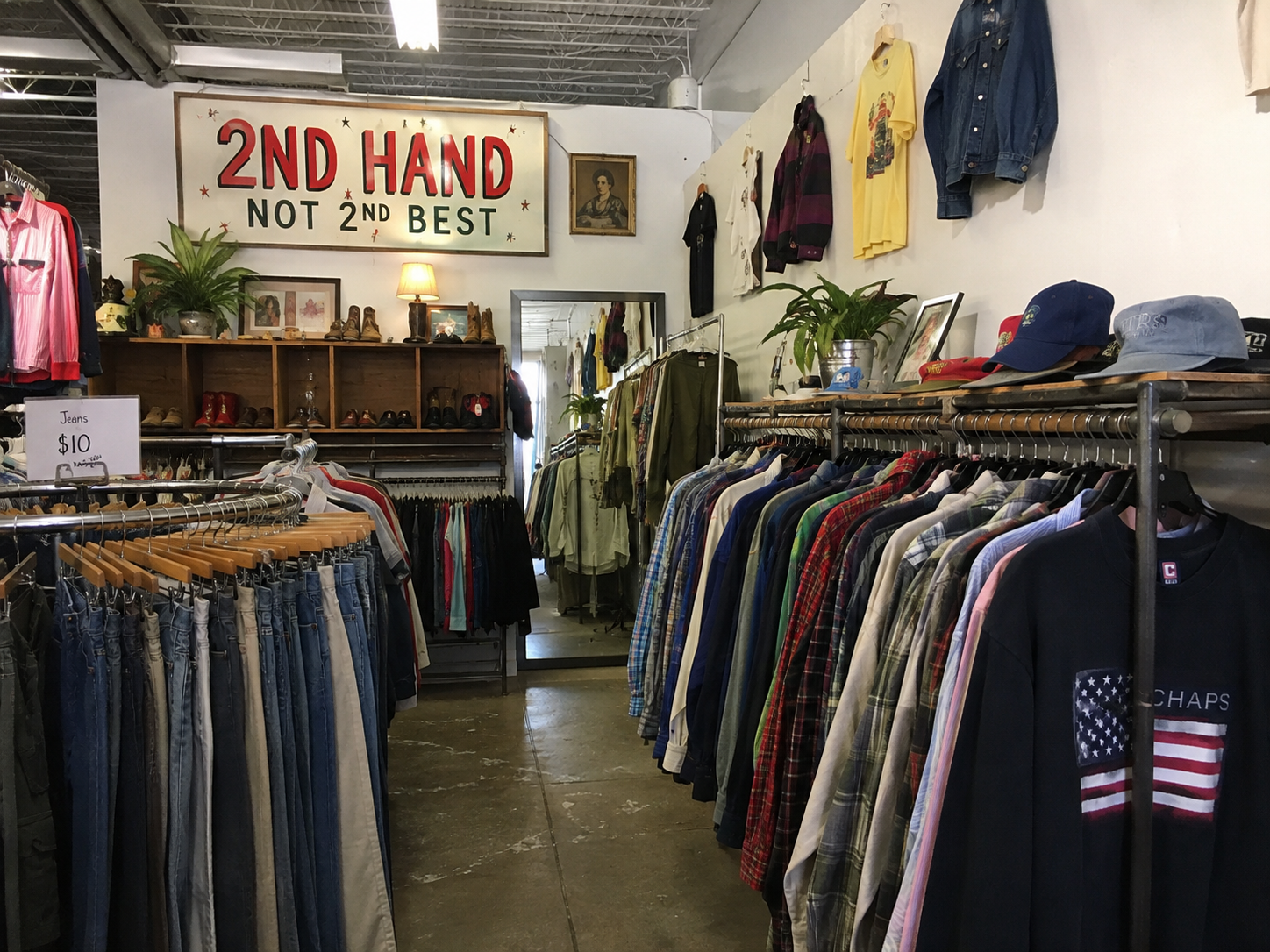
A changing season often creates the urge to refresh your wardrobe, but that does not mean every addition needs to be newly manufactured. Visiting a second hand clothing store can help you discover practical seasonal clothing, versatile layers, and distinctive pieces that complement what you already own. The key is knowing what to look for, checking quality carefully, and choosing garments you can realistically wear throughout the year.
Build a Wardrobe Around the Seasons
Seasonal changes affect what we wear, especially in places where temperatures can vary considerably throughout the year. Instead of rebuilding your wardrobe whenever the weather changes, focus on clothing that can transition between seasons.
A second hand clothing store can be particularly useful for this approach because its selection may include lightweight garments, warm layers, outerwear, and everyday basics at the same time.
Think about your wardrobe as a flexible system. A shirt worn alone during warmer weather could become a useful base layer when temperatures drop. Similarly, a cardigan or lightweight jacket can help bridge the gap between seasons.
What to Look for During Spring
Spring often calls for adaptable clothing. Temperatures can change throughout the day, so layering becomes especially useful.
Choose Lightweight Layers
Look for breathable shirts, light sweaters, cardigans, casual trousers, and jackets that are easy to add or remove. When browsing a second hand clothing store, consider whether a garment can work with several pieces already in your wardrobe.
Neutral colours can provide flexibility, but spring can also be a good time to introduce patterns and brighter shades. A single colourful layer can refresh several familiar outfits.
Check fabrics carefully and think about comfort. Clothing that feels good and works across different temperatures is more likely to become part of your regular rotation.
Shop Smart for Summer Clothing
Warm-weather wardrobes often benefit from simplicity. Lightweight tops, comfortable bottoms, casual dresses, and breathable fabrics can make everyday dressing easier.
When exploring a second hand clothing store during warmer months, examine garments for signs of wear around collars, underarms, hems, and other high-contact areas.
Prioritize Comfort Over Trends
A fashionable piece has limited value if it remains unworn. Consider how the garment feels, how easily it coordinates with other clothing, and whether it suits your typical activities.
Summer is also a useful time to search for transitional pieces. Lightweight shirts and casual trousers can continue working when autumn arrives, particularly when combined with warmer layers.
Prepare for Cooler Autumn Days
Autumn creates opportunities to experiment with texture and layering. Sweaters, denim, long-sleeved shirts, scarves, and jackets can add both warmth and personality.
A second hand clothing store may offer clothing from many different seasons, so do not limit yourself strictly to whatever the weather requires that day.
Look for Pieces That Layer Easily
Before selecting a sweater or jacket, think about what you would wear underneath it. A garment that looks good alone may feel restrictive once another layer is added.
Fit is especially important for seasonal clothing. Move your arms, check shoulder comfort, and consider whether the garment provides enough room for practical layering.
These small checks can help you choose pieces that remain useful throughout changing temperatures.
Find Practical Winter Wardrobe Additions
Winter clothing often needs to balance warmth, comfort, and durability. Sweaters, heavier trousers, coats, scarves, and other layering pieces can become important wardrobe staples.
When visiting a second hand clothing store for winter clothing, spend extra time examining construction. Look closely at seams, linings, closures, cuffs, and pockets.
For knitted garments, check for excessive stretching or damaged areas. For jackets, test zippers and buttons and examine areas that typically experience frequent wear.
Make Your Local Shopping Trip Easier
Planning ahead can help you spend more time browsing and less time figuring out where to go. Before your visit, check the London thrift shopping map location to organize your route conveniently.
Once you arrive, avoid limiting yourself to a single rack or category. Inventory at a second hand clothing store can vary considerably, and useful seasonal pieces may appear in unexpected sections.
Taking your time also makes it easier to compare fabrics, fits, and garment conditions before deciding what belongs in your wardrobe.
Check Quality Before Adding Anything to Your Wardrobe
Condition should remain one of your biggest considerations regardless of season.
Examine stitching, buttons, zippers, hems, pockets, and fabric surfaces. Minor imperfections may be manageable, but consider realistically whether you are willing and able to make any necessary repairs.
Ignore the Number on the Label When Necessary
Clothing sizes are not always consistent. Older garments and pieces from different manufacturers may fit differently even when their labels show identical sizes.
Rather than rejecting something immediately because of the label, evaluate its actual shape and proportions. This approach can open up more possibilities during a second hand clothing store visit.
Create More Outfits With Fewer Pieces
A useful wardrobe does not have to be enormous. Clothing that coordinates well can create numerous combinations from a relatively focused collection.
Before choosing a garment, imagine at least three outfits you could create with it. Consider different seasons as well. If a shirt works independently in summer and under a sweater in autumn, it provides greater versatility.
This mindset helps make second-hand shopping purposeful while preserving the enjoyment of discovering unexpected finds.
Conclusion
Seasonal dressing becomes easier when your wardrobe contains versatile, comfortable, and thoughtfully selected clothing. By focusing on layering, inspecting garment condition, considering year-round usefulness, and looking beyond size labels, you can make each shopping trip more productive. A second hand clothing store gives shoppers the chance to discover distinctive seasonal pieces while building a wardrobe based on personal style, practicality, and thoughtful reuse.