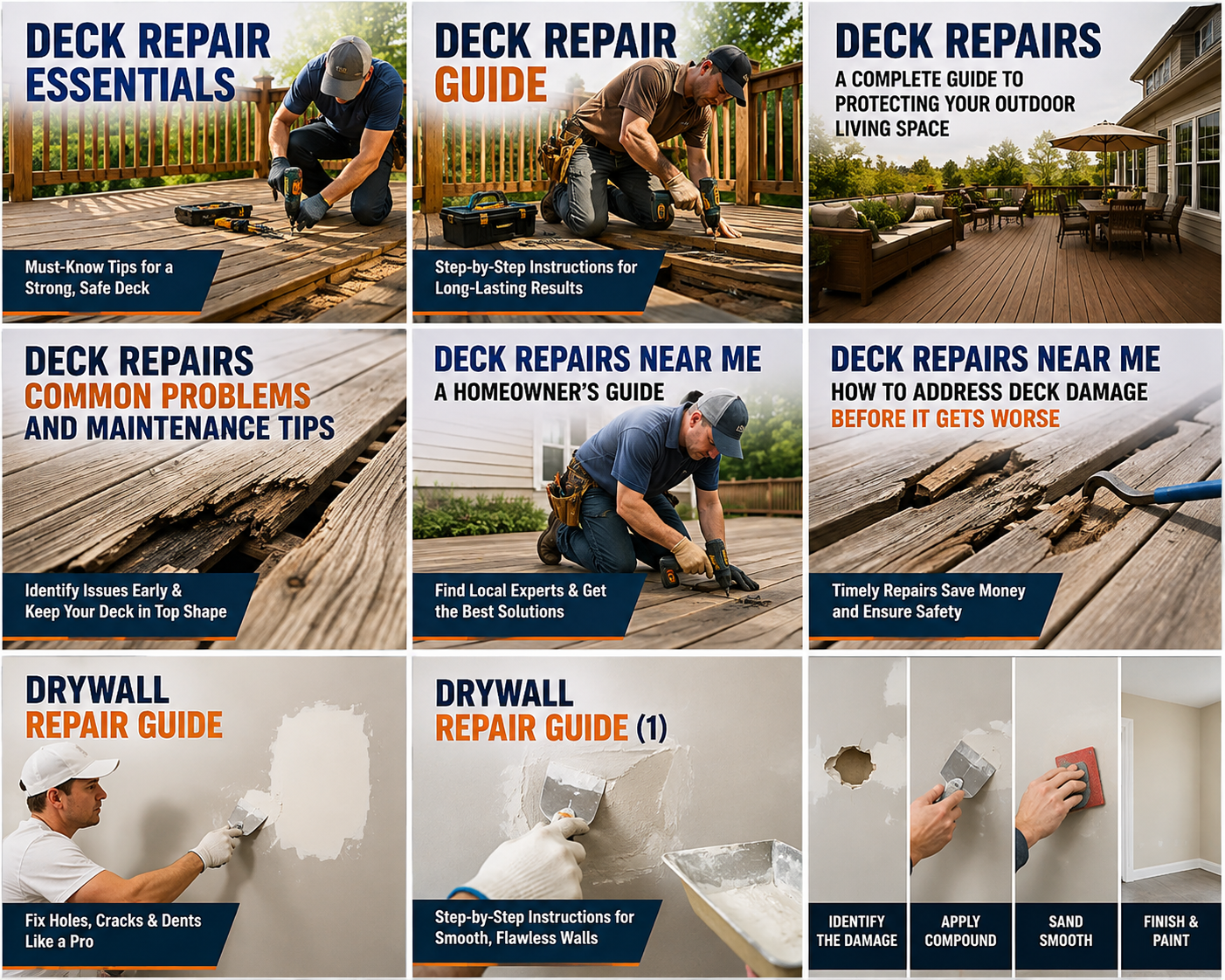
Outdoor decks are designed to handle changing weather and regular activity, but no deck remains untouched by time. Boards can loosen, wood may crack, fasteners can shift, and stairs or railings may gradually become less stable. These changes often happen slowly, making them easy to overlook during everyday use.
Regular inspections and timely deck repairs can help address deterioration before it affects a larger portion of the outdoor area. Instead of waiting for an obvious problem, homeowners can learn to recognize subtle warning signs and take a more preventive approach to deck maintenance.
What Is Your Deck Trying to Tell You?
Many deck problems provide warning signs before they become severe.
Perhaps one board makes a new sound when stepped on. A railing may move slightly more than it did last season. You might notice a crack getting longer or a stair tread beginning to feel uneven.
These changes deserve attention. While not every imperfection requires extensive deck repairs, investigating unusual movement or deterioration can prevent problems from being overlooked.
Changes Underfoot Matter
Pay attention to how different sections feel while walking across the deck.
A consistently solid surface should not suddenly develop noticeable movement. If one area feels softer or more flexible than surrounding sections, inspect the boards and accessible supporting areas carefully.
Weather Creates an Ongoing Maintenance Challenge
Outdoor structures experience conditions that interior surfaces rarely encounter.
Rain introduces moisture, while direct sunlight can dry exposed materials. Temperature fluctuations repeatedly cause materials to expand and contract. Seasonal debris may also collect in gaps and corners.
Over years of exposure, these conditions can contribute to cracking, warping, movement, and deterioration.
Deck repairs often become necessary not because of one dramatic event but because small environmental effects accumulate gradually.
Examine Boards Individually
Looking across the entire deck from a doorway may reveal obvious damage, but it will not tell the complete story.
Inspect individual boards, especially in high-traffic areas. Look for deep cracks, splitting ends, raised edges, splintering, and unusual discoloration.
A board that appears questionable should also be checked for movement.
Do Not Assume Every Damaged Board Needs the Same Fix
One board may simply have a loose connection, while another could be significantly deteriorated.
Effective deck repairs depend on identifying the actual condition rather than applying a universal solution. When deterioration is localized, individual components may be addressed while unaffected areas remain intact.
Railings Deserve More Than a Visual Check
A railing can appear straight and undamaged while still having loose connections.
Test accessible railing sections with gentle pressure. Unexpected movement should prompt a closer examination of posts, fasteners, and connection areas.
This is particularly important around elevated sections and stairs, where railings frequently provide support.
Inspect the Entire Stairway
Deck stairs should feel stable from the first tread to the last.
Check for cracked boards, loose treads, movement, and uneven surfaces. Examine accessible attachment areas as well. Concentrated daily foot traffic can make stairs one of the first places where wear becomes noticeable.
Prioritizing these areas during deck repairs can improve everyday usability.
Moisture Problems Often Begin in Hidden Areas
Some parts of a deck dry faster than others.
Open sections exposed to sunlight and airflow may dry quickly after rain, while shaded corners or areas underneath furniture can remain damp considerably longer.
Planters can be particularly important to monitor because moisture and debris may collect underneath them.
Moving outdoor objects occasionally provides an opportunity to inspect the covered surface and clean away trapped material.
Cleanliness Plays a Role in Deck Condition
Routine cleaning is not purely about appearance.
Leaves, dirt, and organic debris can settle between boards and around edges. When wet, this material may retain moisture against the deck.
Keeping gaps and corners reasonably clear allows better airflow and makes inspections easier.
Homeowners arranging deck repairs should also consider whether debris accumulation contributed to deterioration in a particular location.
When Several Small Problems Appear Together
One loose board may represent an isolated issue. Several loose boards combined with unstable railings, cracked stairs, and soft sections suggest that a broader inspection is worthwhile.
Looking at problems collectively can provide a clearer picture of overall condition.
Homeowners who need assistance examining multiple outdoor maintenance concerns can consider local deck repair professionals when determining which areas should receive attention.
Recurring Damage Is an Important Clue
If the same board, railing section, or stair component repeatedly requires attention, investigate why.
Repeated deck repairs in one location can indicate ongoing moisture exposure, movement, or another underlying condition. Addressing the cause may provide a more durable outcome than repeatedly correcting the visible symptom.
Develop a Simple Inspection Schedule
Deck inspections do not need to take hours.
A quick check at key points during the year can reveal developing concerns. Spring inspections can identify changes after winter, while checks before periods of heavy outdoor use can focus on walking surfaces, stairs, and railings.
Autumn is useful for removing accumulated leaves and examining areas that may remain damp during cooler weather.
This simple schedule can make deck repairs easier to plan.
Think About How the Deck Is Used
Usage patterns can influence where deterioration appears first.
A narrow route between the door and stairs may experience much more foot traffic than other sections. Heavy furniture can remain in one location for long periods, while frequently moved chairs may cause repeated surface wear.
Understanding these patterns helps homeowners focus inspections on vulnerable areas without neglecting the rest of the deck.
Conclusion
Maintaining a deck is an ongoing process rather than a one-time task. Weather, moisture, daily use, and natural material movement can gradually create loose boards, cracks, unstable railings, damaged stairs, and other concerns.
Thoughtful deck repairs begin with careful observation. Inspect individual boards, test railings, examine stairs, keep debris under control, and pay particular attention to areas that remain damp.
By responding to early warning signs instead of waiting for extensive deterioration, homeowners can keep their outdoor living space functional, comfortable, and better prepared for regular use throughout the seasons.