Replacing an old mattress often feels like the easy part. The difficult question comes afterward: what should you do with the mattress you no longer need? Because mattresses are large, bulky, and made from several different materials, placing one with ordinary household garbage is not always the most responsible option.
Mattress recycling offers an alternative by focusing on recovering usable materials rather than automatically sending the entire item to disposal. Understanding how the process works can help households make better decisions when replacing bedroom furniture or completing a major cleanout.
Why Old Mattresses Can Be Difficult to Dispose Of
A mattress takes up considerable space compared with typical household waste. Its size can make storage, transportation, and disposal inconvenient, particularly for households without access to a suitable vehicle.
The construction of a mattress also makes disposal more complicated. Depending on the type, it may contain metal springs, foam, fabric, wood, padding, and other components.
When these materials remain together, the mattress becomes one large waste item. However, separating recoverable components can create opportunities to handle some of those materials differently.
What Happens During Mattress Recycling?
The basic goal of mattress recycling is to recover useful components from an unwanted mattress whenever practical.
Rather than viewing the mattress as a single piece of garbage, the recycling process considers the individual materials inside it.
Metal Components Can Be Separated
Traditional mattresses commonly contain steel springs or coils. Once separated from surrounding fabric and padding, metal components may enter an appropriate recycling stream.
Metal recovery is important because these materials can remain useful after the original mattress reaches the end of its life.
Foam and Fabric Require Sorting
Foam and textile layers may also be separated during processing. Whether they can be recovered depends on their condition, composition, and the recycling options available.
Not every component will necessarily be recyclable. Still, separating materials can help reduce the amount of mixed waste requiring final disposal.
Wood May Be Present in Some Items
Mattress-related items such as certain foundations or box-style supports may contain wooden components. These pieces may require a different recycling or disposal method from metal and fabric.
This is why understanding what you are disposing of matters before choosing a destination.
Check Local Requirements Before Transporting a Mattress
Before loading an old mattress into a vehicle, verify that your intended destination accepts it.
Waste and recycling facilities can have different acceptance requirements. Some may accept mattresses directly, while others may require specific preparation or direct residents toward another appropriate option.
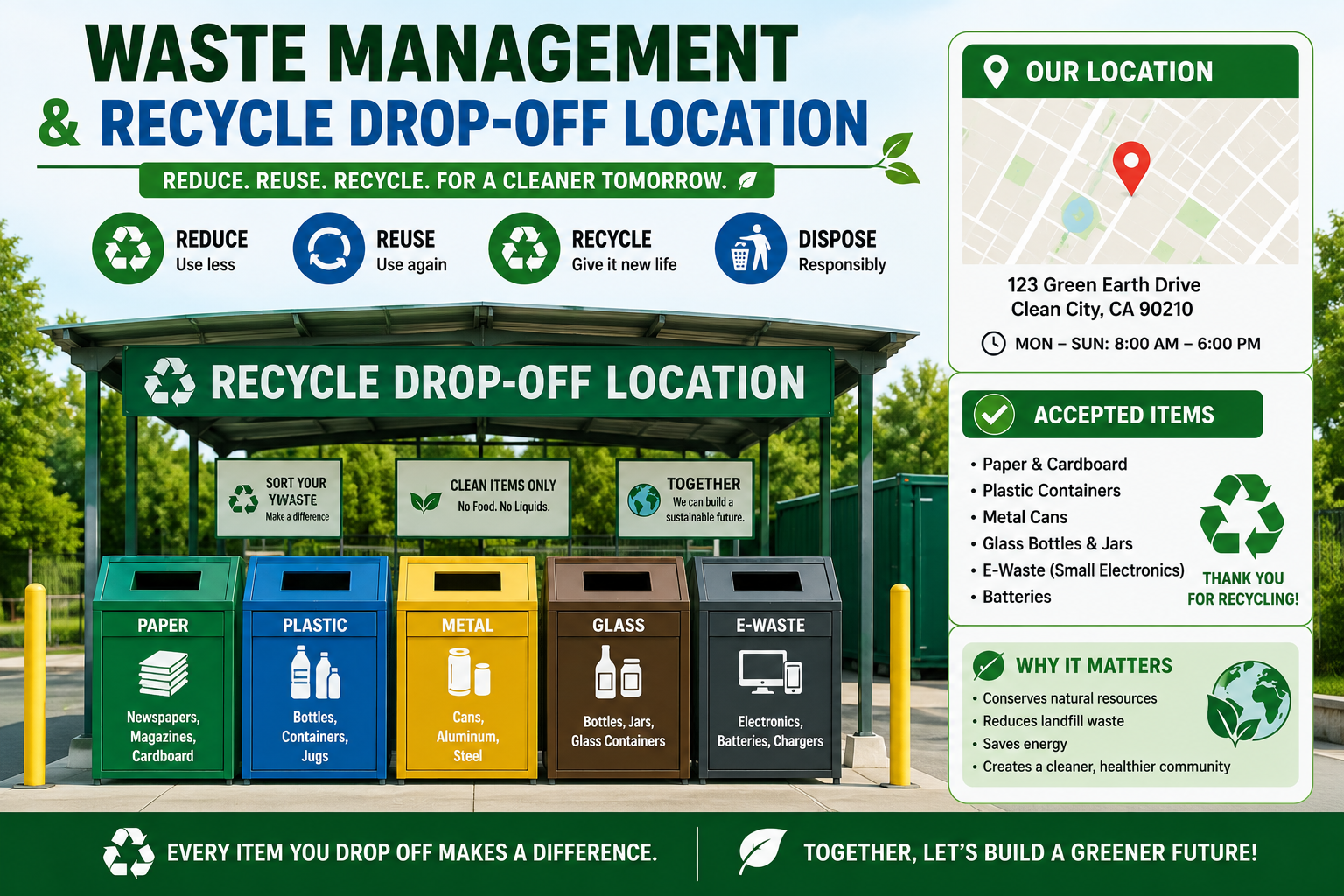
People planning a disposal trip can check a local recycling drop-off point when considering how to handle bulky unwanted materials.
Confirming requirements in advance can save time and prevent an unnecessary trip.
Prepare an Old Mattress for Transportation
Once you have identified an appropriate destination, transportation becomes the next consideration.
Keep the Mattress Dry
Whenever possible, keep an unwanted mattress protected from rain and excessive moisture while it is waiting for disposal. A soaked mattress becomes heavier and more difficult to handle.
Moisture can also affect the condition of its components.
Secure the Load Properly
Mattresses should never be transported loosely on a vehicle. Their large, flat shape can catch moving air, creating a serious transportation hazard.
Use appropriate restraints and make sure the mattress cannot shift, slide, or lift during travel. Check the load before leaving and again if travelling a significant distance.
Ask for Help With Lifting
Even when a mattress is not extremely heavy, its size can make it awkward for one person to carry.
Having another person assist with lifting can make moving the mattress safer and reduce the likelihood of dropping it or damaging surrounding property.
When Should You Consider Mattress Recycling?
There are several situations where mattress recycling may become relevant.
Moving to a new home often reveals furniture that is no longer worth transporting. Home renovations may also lead to bedroom upgrades, while estate cleanouts and rental property turnovers can produce several bulky items at once.
In each case, planning disposal early is helpful.
Leaving an unwanted mattress until the final stage of a cleanup can create unnecessary inconvenience because it occupies so much space. Decide how it will be handled before smaller waste items begin accumulating around it.
Can a Mattress Be Reused Instead?
Before recycling or disposing of a mattress, consider whether it is genuinely at the end of its usable life.
A clean mattress in suitable condition may sometimes have potential for reuse where permitted and appropriate. However, heavily damaged, contaminated, excessively worn, or unsanitary mattresses should not simply be passed along to another person.
Recycling becomes especially relevant when reuse is no longer practical but recoverable materials may still remain inside the item.
Make Bulky Waste Part of Your Cleanup Plan
A common mistake during household cleanouts is focusing only on small bags and boxes.
Large items require planning too.
Before beginning a major cleanup, identify mattresses, furniture, renovation debris, appliances, and other bulky materials that may need separate handling. Determine where each category should go and organize transportation accordingly.
This approach prevents large unwanted items from becoming obstacles near the end of the project.
How Mattress Recycling Supports Landfill Diversion
Mattresses occupy significant physical space when disposed of whole. Recovering useful components can reduce the amount of material entering the general waste stream.
That does not mean every part of every mattress can always be recycled. Recycling possibilities depend on material composition, condition, contamination, and local processing capabilities.
However, checking recycling options before choosing disposal encourages a more thoughtful approach to bulky waste.
Conclusion
An unwanted mattress does not automatically need to be treated as one oversized piece of garbage. Mattress recycling focuses on identifying recoverable components and directing materials toward appropriate recycling streams whenever possible.
Before disposing of a mattress, check local acceptance requirements, keep the item dry, arrange safe transportation, and secure it carefully during travel. If the mattress is still genuinely usable, consider whether responsible reuse is appropriate before recycling it.
With a little preparation, dealing with an old mattress becomes less frustrating and more organized. More importantly, considering recycling first can help recover useful materials and reduce the amount of bulky waste occupying valuable landfill space.